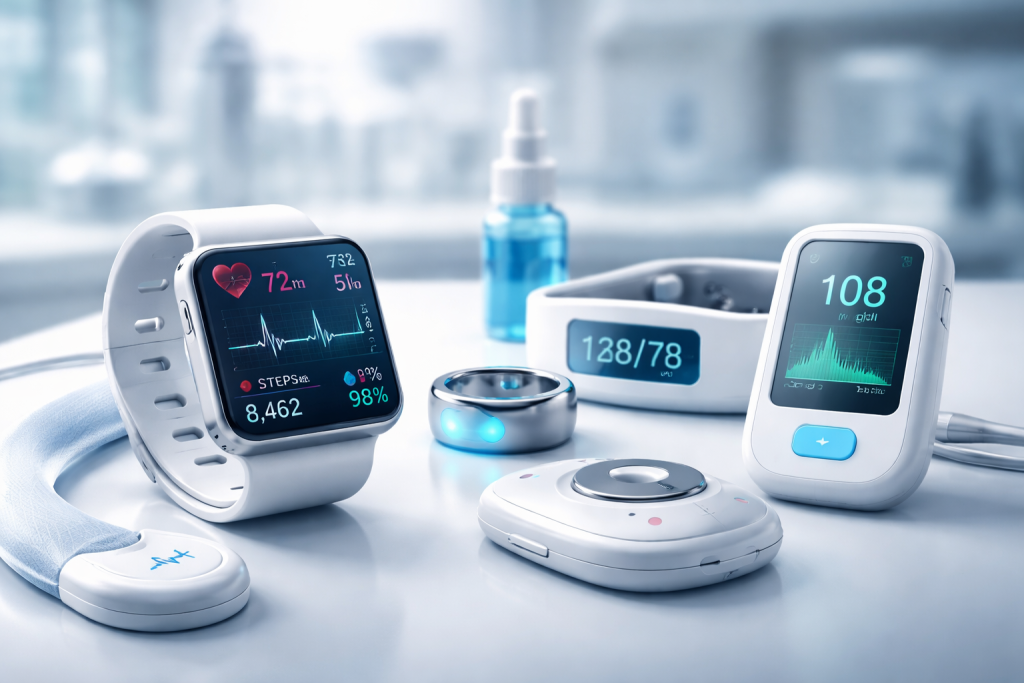
A Manufacturer’s Guide to Wearable Medical Devices
Understanding the Growth of Wearable Medical Technology
Wearable medical technology has moved far beyond fitness tracking. Today’s devices can monitor glucose levels, detect arrhythmias, measure oxygen saturation, and even predict potential health risks. This shift has been fueled by advances in miniaturization, wireless communication, and data analytics.
Manufacturers are now expected to create devices that are not only functional but also comfortable, reliable, and secure. Patients rely on these tools daily, making accuracy and durability essential. Healthcare providers also depend on real time data to inform clinical decisions, which raises the stakes for product performance.
Key Components of Wearable Medical Devices
Manufacturing wearable devices involves integrating multiple sophisticated components into a compact and user friendly form.
Sensors are the core of any wearable device. They collect physiological data such as heart rate, temperature, or movement. Choosing high quality sensors ensures accurate readings and long term reliability.
Connectivity modules enable devices to transmit data to smartphones, cloud platforms, or healthcare systems. Bluetooth and Wi Fi are commonly used, but security must be a top priority to protect patient information.
Power sources are another critical consideration. Devices must operate efficiently while maintaining a lightweight design. Battery life often determines user satisfaction, so optimizing energy consumption is essential.
Software and data processing capabilities transform raw data into meaningful insights. Manufacturers must ensure that algorithms are validated and compliant with regulatory standards.
Design Considerations for Manufacturers
Creating a successful wearable medical product requires balancing technical performance with user experience.
Ergonomics plays a major role in device adoption. Wearables must be comfortable enough for continuous use without causing irritation or inconvenience.
Durability is equally important. Devices are exposed to sweat, movement, and environmental factors. Materials must withstand daily wear while maintaining accuracy.
Aesthetics also influence consumer acceptance. While functionality is critical, users prefer devices that blend seamlessly into their lifestyle.
Manufacturers should also consider scalability during the design phase. As demand grows, the ability to produce devices efficiently without compromising quality becomes a competitive advantage.
Regulatory Compliance and Standards
The medical device industry is heavily regulated, and wearable products are no exception. Manufacturers must comply with guidelines set by regulatory bodies such as the FDA in the United States or CE marking requirements in Europe.
Compliance involves rigorous testing, documentation, and validation processes. Clinical trials may be required to demonstrate safety and effectiveness.
Data privacy regulations, including HIPAA and GDPR, must also be addressed. Wearable devices collect sensitive health information, making cybersecurity measures essential.
Failure to meet regulatory requirements can lead to costly delays, recalls, or legal issues. Therefore, compliance should be integrated into every stage of product development.
The Importance of Quality Sourcing
Sourcing components from reliable suppliers is a cornerstone of successful manufacturing. High quality materials and parts directly impact device performance and longevity.
Wearable Medical Devices plays a critical role in ensuring product safety, reliability, and clinical performance. As regulatory standards rise, sourcing from proven suppliers is more important than ever..
Partnering with trusted providers like R & D Medical Products can help manufacturers maintain consistency and meet strict quality standards. These partnerships often provide access to advanced materials, innovative technologies, and industry expertise.
Supply chain transparency is also becoming increasingly important. Manufacturers must be able to trace components and verify their compliance with regulatory requirements.
Challenges in Manufacturing Wearable Devices
Despite the opportunities, manufacturers face several challenges in this sector.
Miniaturization remains a complex task. Integrating multiple functions into a small device without compromising performance requires advanced engineering and precision manufacturing techniques.
Battery limitations can restrict device capabilities. Balancing power consumption with functionality is an ongoing challenge.
Data accuracy is another critical concern. Even minor inaccuracies can lead to incorrect diagnoses or treatment decisions. Continuous testing and validation are necessary to maintain trust.
Cost management is also a factor. While high quality components are essential, manufacturers must remain competitive in pricing to succeed in the market.
Innovations Driving the Industry Forward
The future of wearable medical technology is being shaped by continuous innovation.
Artificial intelligence is enhancing data analysis, enabling predictive insights and personalized healthcare recommendations.
Flexible and wearable electronics are improving comfort and usability. Devices can now conform to the body, making them less intrusive and more effective.
Remote patient monitoring is expanding access to healthcare. Patients can receive continuous care without frequent hospital visits, reducing costs and improving outcomes.
Integration with telehealth platforms is also growing. Wearable devices provide real time data that supports virtual consultations and ongoing treatment plans.
Best Practices for Manufacturers
To succeed in the wearable medical device market, manufacturers should adopt several best practices.
Invest in research and development to stay ahead of technological advancements. Innovation is key to maintaining a competitive edge.
Prioritize user centered design. Understanding patient needs and preferences leads to higher adoption rates and better outcomes.
Establish strong quality control processes. Consistent testing and validation ensure product reliability and compliance.
Collaborate with healthcare professionals during development. Their insights can help refine features and improve clinical relevance.
Focus on cybersecurity. Protecting patient data is not only a regulatory requirement but also a critical factor in building trust.
Market Opportunities and Future Outlook
The demand for Wearable Medical Devices is expected to continue growing as healthcare shifts toward preventive and personalized care. Aging populations, rising chronic disease rates, and increasing health awareness are driving this trend.
Manufacturers who can deliver reliable, innovative, and compliant products will be well positioned to capitalize on these opportunities.
Emerging markets also present significant growth potential. As healthcare infrastructure improves globally, the adoption of wearable technology is likely to expand.
Sustainability is another area of focus. Manufacturers are exploring eco friendly materials and energy efficient designs to reduce environmental impact.
Conclusion
The wearable medical device industry offers immense potential for manufacturers willing to navigate its complexities. Success requires a combination of technical expertise, regulatory knowledge, and strategic partnerships.
By focusing on quality, innovation, and user experience, manufacturers can create products that not only meet regulatory standards but also improve patient outcomes. As technology continues to evolve, those who adapt and invest in the right resources will lead the future of healthcare innovation.
For companies looking to enter or expand in this space, leveraging trusted suppliers and maintaining a commitment to excellence will be key drivers of long term success.
FAQs
What are wearable medical devices?
Wearable medical devices are electronic devices designed to be worn on the body to monitor health metrics such as heart rate, activity levels, or specific medical conditions.
Why is accuracy important in wearable devices?
Accuracy ensures that the data collected is reliable for both patients and healthcare providers. Incorrect data can lead to misdiagnosis or ineffective treatment.
How do manufacturers ensure compliance?
Manufacturers follow strict regulatory guidelines, conduct extensive testing, and maintain detailed documentation to meet industry standards.
What challenges do manufacturers face?
Common challenges include miniaturization, battery life limitations, data accuracy, and maintaining cost efficiency while ensuring quality.
Why is sourcing important in manufacturing?
Sourcing high quality components from trusted suppliers helps ensure product reliability, safety, and compliance with regulatory requirements.