Best Practices for Using Hydro Gel
What Is Hydro Gel?
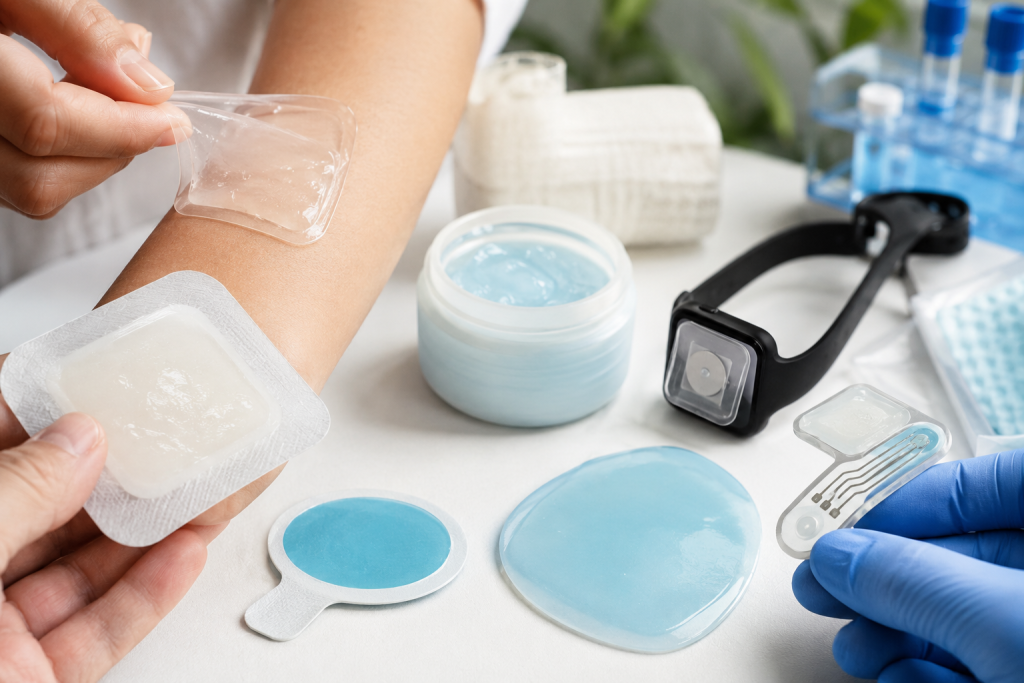
Hydro gel is a water-based polymer network designed to absorb and retain significant amounts of moisture while maintaining structural integrity. These materials can be soft, flexible, and highly adaptable depending on their intended application.
In healthcare, hydro gels are commonly found in:
- Wound dressings
- Electrode pads
- Drug delivery systems
- Wearable monitoring devices
- Surgical products
- Tissue engineering
- Burn treatments
The material creates a moist environment that supports healing and reduces discomfort for patients. Because of its gentle interaction with skin and tissue, hydro gel has become a preferred option in both acute and long-term care settings.
Choosing the Right Hydro Gel for the Application
Selecting the correct hydro gel formulation is one of the most important best practices. Different applications require different characteristics such as adhesion strength, hydration level, durability, and breathability.
For wound care products, moisture retention and skin compatibility are essential. For wearable sensors or electrodes, conductivity and adhesion become more critical. Manufacturers should evaluate:
- Water content
- Biocompatibility
- Sterility requirements
- Flexibility
- Shelf stability
- Adhesive performance
- Manufacturing compatibility
Working with experienced suppliers such as R & D Medical Products can help organizations identify suitable formulations for specialized medical applications.
Prioritize Sterility and Safety Standards
Medical-grade hydro gel products must meet strict safety and sterilization standards. Contamination risks can compromise patient outcomes and regulatory compliance. Best practices include maintaining clean production environments and using validated sterilization methods.
Manufacturers should ensure compliance with:
- FDA regulations
- ISO standards
- Medical device manufacturing guidelines
- Quality assurance testing procedures
Regular testing for microbial contamination, material degradation, and stability ensures hydro gel products remain safe throughout storage and use.
Healthcare facilities should also inspect packaging integrity before application to maintain sterile conditions.
Maintain Proper Moisture Balance
One of the primary benefits of hydro gel is its ability to maintain optimal moisture levels. However, improper application can result in excessive moisture buildup or inadequate hydration.
For wound care applications, clinicians should:
- Monitor dressing saturation
- Replace hydro gel dressings as recommended
- Avoid over-application
- Assess wound condition regularly
Maintaining the right moisture balance promotes faster healing while reducing risks associated with tissue maceration or infection.
In wearable medical devices, proper hydration levels also help maintain conductivity and skin comfort during prolonged use.
Ensure Skin Compatibility
Hydro gel products often come into direct contact with sensitive skin or damaged tissue. Testing for skin compatibility is critical before large-scale deployment.
Best practices include:
- Conducting dermatological testing
- Evaluating allergic reactions
- Monitoring skin irritation
- Selecting hypoallergenic formulations
Patients with fragile skin, burns, or chronic wounds may require specially designed hydro gel materials that minimize friction and irritation.
Medical manufacturers should prioritize biocompatibility testing during product development to improve safety and patient comfort.
Focus on Storage and Shelf Life
Hydro gel products can lose effectiveness if stored improperly. Temperature fluctuations, exposure to air, and contamination can impact performance.
Recommended storage practices include:
- Keeping products in sealed packaging
- Storing in controlled temperatures
- Avoiding direct sunlight
- Monitoring expiration dates
- Following manufacturer guidelines
Proper inventory management also helps healthcare organizations minimize waste and maintain product reliability.
Manufacturers should conduct shelf-life testing to determine long-term stability under various environmental conditions.
Improve Manufacturing Consistency
Consistency is essential when producing medical-grade hydro gel products. Variations in thickness, hydration levels, or adhesive performance can affect clinical outcomes.
Manufacturers should implement:
- Automated production systems
- Quality control checkpoints
- Batch testing procedures
- Material traceability systems
- Process validation protocols
Reliable manufacturing processes help maintain uniformity across product lines while meeting regulatory expectations.
Companies involved in medtech innovation increasingly seek scalable hydro gel production solutions that can support rapid market demands without sacrificing quality.
Support Advanced Medical Technologies
Hydro gel is no longer limited to traditional wound dressings. The material now plays a key role in advanced healthcare technologies.
Emerging applications include:
- Biosensors
- Smart wearables
- Remote patient monitoring
- Drug delivery systems
- Regenerative medicine
- Tissue scaffolding
These innovations require highly specialized hydro gel formulations capable of supporting conductivity, flexibility, and long-term performance.
As healthcare technology advances, hydro gel will continue expanding into new medical and diagnostic applications.
Optimize Patient Comfort
Patient experience is a critical component of healthcare quality. Hydro gel materials help improve comfort due to their cooling effect, flexibility, and soft texture.
Best practices for enhancing patient comfort include:
- Selecting breathable materials
- Using gentle adhesives
- Minimizing dressing changes
- Choosing anatomically flexible designs
Comfort-focused hydro gel solutions can improve treatment adherence and overall patient satisfaction.
For wearable devices, comfortable hydro gel adhesives also encourage longer wear times and more reliable data collection.
Partner With Experienced Medical Material Suppliers
Choosing the right supplier is essential for healthcare manufacturers and providers. Experienced hydro gel suppliers understand regulatory requirements, production standards, and application-specific needs.
A reliable partner should offer:
- Consistent product quality
- Technical expertise
- Scalable manufacturing
- Regulatory support
- Custom formulation capabilities
Organizations working with trusted suppliers can streamline development timelines while ensuring high-performance medical products.
Sustainability Considerations in Hydro Gel Production
Sustainability is becoming increasingly important in healthcare manufacturing. Companies are seeking environmentally responsible production practices without compromising product performance.
Sustainable hydro gel initiatives may include:
- Reducing manufacturing waste
- Improving energy efficiency
- Exploring biodegradable materials
- Using responsible sourcing practices
Healthcare organizations and manufacturers alike are paying closer attention to environmental impact while maintaining strict clinical standards.
Balancing sustainability with safety and performance will likely shape the future of hydro gel innovation.
Future Trends in Hydro Gel Technology
The future of hydro gel technology is closely tied to advancements in personalized medicine, digital healthcare, and regenerative therapies.
Key trends include:
- Smart hydro gel materials
- Responsive drug delivery systems
- AI-integrated wearable devices
- Customized wound care solutions
- 3D bioprinting applications
Researchers continue developing new hydro gel formulations that can respond to temperature, pH levels, or biological signals.
These innovations may improve treatment precision while supporting better patient outcomes across multiple healthcare sectors.
Conclusion
Hydro gel has become one of the most versatile and valuable materials in modern healthcare. From wound care to wearable medical devices, its unique moisture-retention and biocompatible properties support a wide range of medical applications.
Following best practices for hydro gel use helps manufacturers, healthcare providers, and medtech innovators achieve better safety, consistency, and patient outcomes. Proper formulation selection, manufacturing quality control, storage management, and patient-centered design all contribute to successful implementation.
As the healthcare industry continues advancing, hydro gel technology will remain a critical component of innovative medical solutions. Organizations that prioritize quality materials, reliable production, and regulatory compliance will be better positioned for long-term success.
FAQs
What is hydro gel commonly used for in healthcare?
Hydro gel is commonly used in wound care dressings, wearable medical devices, electrode pads, burn treatments, and drug delivery systems.
Why is hydro gel beneficial for wound healing?
Hydro gel helps maintain a moist environment that supports tissue repair, reduces discomfort, and promotes faster healing.
How should hydro gel products be stored?
Hydro gel products should be stored in sealed packaging under controlled temperatures and away from direct sunlight to maintain effectiveness.
Are hydro gel products safe for sensitive skin?
Most medical-grade hydro gel products are designed to be biocompatible and gentle on sensitive skin, though dermatological testing is recommended.
What industries use hydro gel technology?
Healthcare, biotechnology, wearable technology, diagnostics, and regenerative medicine industries all use hydro gel materials.
Can hydro gel be customized for specific medical applications?
Yes. Many manufacturers offer custom hydro gel formulations tailored to specific medical devices, treatments, or clinical requirements.