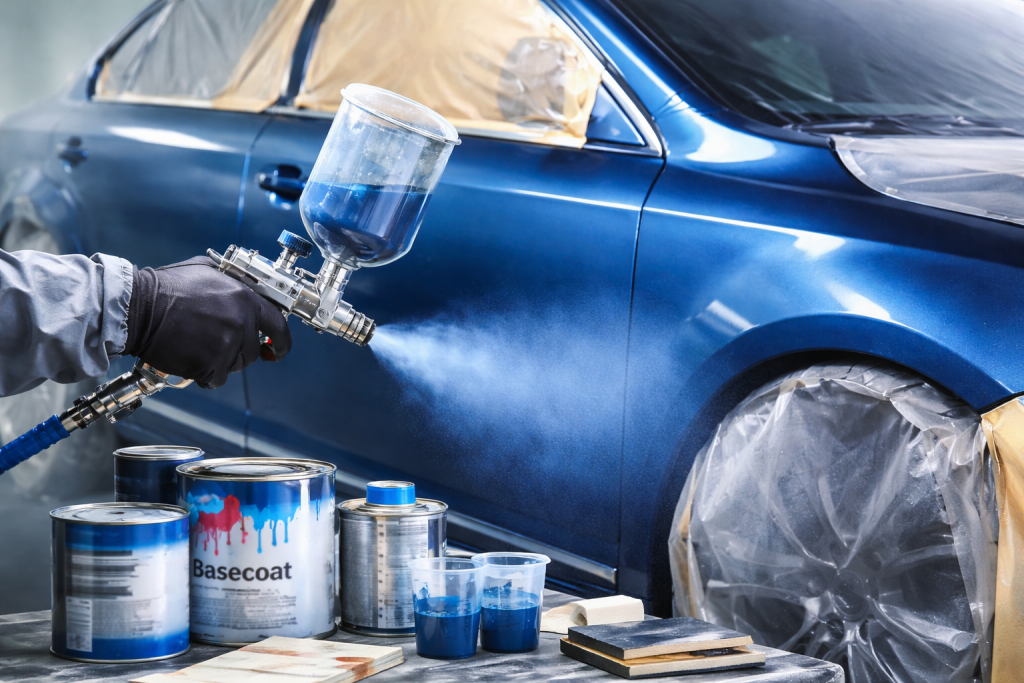
How to Avoid Common Mistakes When Using Auto Base Coat Paint
Understanding the Role of Auto Base Coat Paint
The base coat is responsible for the color and visual depth of your vehicle. It is not designed to provide protection on its own. That role belongs to the clear coat applied afterward. Because the base coat is primarily cosmetic, any flaws in preparation or spraying will be highly visible once the job is complete.
Many beginners assume the base coat can hide surface issues or application errors. In reality, base coat paint highlights imperfections. Knowing this from the start helps you approach the process with the patience and attention to detail it requires.
Skipping Proper Surface Preparation
One of the biggest mistakes is rushing surface preparation. Dirt, grease, wax residue, or sanding scratches will all show through the paint.
Before spraying any base coat, the surface must be thoroughly cleaned with a quality automotive degreaser. Old paint should be sanded evenly, and any rust or body damage repaired. Failing to feather edges or leaving uneven sanding marks often results in blotchy color or visible lines under the clear coat.
Proper preparation also includes masking. Overspray can ruin trim, windows, and surrounding panels if they are not protected.
Using Low Quality or Incompatible Materials
Another common issue is using low quality paint or mixing incompatible products. Not all paints, primers, and reducers work well together. Mixing brands without checking compatibility can lead to chemical reactions, poor adhesion, or uneven color.
Choosing reliable base coat paint for cars from trusted manufacturers helps ensure consistent pigment and predictable spray behavior. Always follow the manufacturer’s recommendations for reducers, activators, and clear coats.
Saving money on paint often leads to more expensive rework later.
Incorrect Paint Mixing Ratios
Improper mixing is a frequent cause of spray problems. Base coat paint must be mixed according to the exact ratios provided by the manufacturer. Too much reducer can cause runs, weak color coverage, or extended drying times. Too little reducer may result in dry spray, orange peel, or clogging of the spray gun.
Always use proper measuring tools instead of guessing. Stir the paint thoroughly to ensure pigments are evenly distributed before pouring it into the spray gun.
Poor Spray Gun Setup and Technique
Even high quality paint will perform poorly if the spray gun is not set up correctly. Common mistakes include incorrect air pressure, an improperly adjusted fan pattern, or holding the gun too close or too far from the surface.
Spraying too close can cause runs and uneven buildup. Spraying too far leads to dry spray and rough texture. Maintaining a consistent distance and steady movement is essential.
Practice on a test panel before spraying the vehicle. This helps you dial in the correct settings and get comfortable with your technique.
Ignoring Environmental Conditions
Temperature, humidity, and airflow play a major role in paint application. Spraying in an environment that is too cold or too humid can prevent proper drying and lead to issues like blushing, poor adhesion, or dull finish.
Painting in direct sunlight or excessive heat can cause the base coat to flash too quickly, making it difficult for the paint to level properly.
Ideally, paint in a clean, well ventilated area with controlled temperature and humidity. Even small improvements in your workspace can dramatically improve results.
Applying Coats Too Thick or Too Fast
Many painters apply base coat too heavily, believing it will improve coverage or speed up the job. This often results in runs, sags, and uneven color.
Base coat should be applied in light to medium coats, allowing proper flash time between each pass. Rushing this process traps solvents and can cause issues later when the clear coat is applied.
Patience is key. Multiple thin coats create a smoother and more even finish than one heavy coat.
Failing to Observe Flash Times
Flash time refers to the period required for solvents to evaporate between coats. Ignoring flash times can cause solvent pop, wrinkling, or lifting once the clear coat is applied.
Always follow the recommended flash times listed by the paint manufacturer. Environmental conditions can affect these times, so adjust as needed while staying within guidelines.
If the surface still feels wet or tacky beyond what is expected, give it more time before continuing.
Not Addressing Mistakes Immediately
Mistakes happen, even to experienced painters. The problem arises when they are ignored.
If you notice a run, dry spot, or contamination while spraying, stop and address it properly. Depending on the issue, this may involve lightly sanding once the paint has flashed and reapplying color.
Trying to hide mistakes under the clear coat usually makes them more noticeable.
Skipping the Final Inspection Before Clear Coat
Before applying clear coat, inspect the base coat carefully under good lighting. Look for uneven color, striping, dust, or other imperfections.
Fixing problems at this stage is far easier than after the clear coat has cured. Taking a few extra minutes to inspect can save hours of correction later.
Long Term Benefits of Proper Base Coat Application
Avoiding these common mistakes not only improves appearance but also extends the life of the paint job. A well applied base coat bonds better, resists fading, and provides a solid foundation for the clear coat.
Whether you are restoring a vehicle, performing a custom paint job, or completing routine refinishing work, careful attention to detail pays off.
Frequently Asked Questions
How many coats of base coat should I apply?
Most applications require two to three thin coats. The exact number depends on color coverage and manufacturer recommendations.
Can I sand the base coat before applying clear coat?
Light sanding may be done to remove imperfections, but it must be done carefully. Always clean the surface thoroughly before applying clear coat.
How long should I wait before applying clear coat?
Follow the paint manufacturer’s recommended flash time. This typically ranges from 15 to 30 minutes but can vary based on conditions.
Why does my base coat look dull or patchy?
This is often caused by improper spray technique, incorrect mixing ratios, or poor environmental conditions.
Is it necessary to use a primer before base coat?
Yes. Primer ensures proper adhesion and helps create a uniform surface for the base coat.